
The Spirit of Performing Arts
A space devoted to dance, choreography, and the living language of movement.
Why This Space Exists
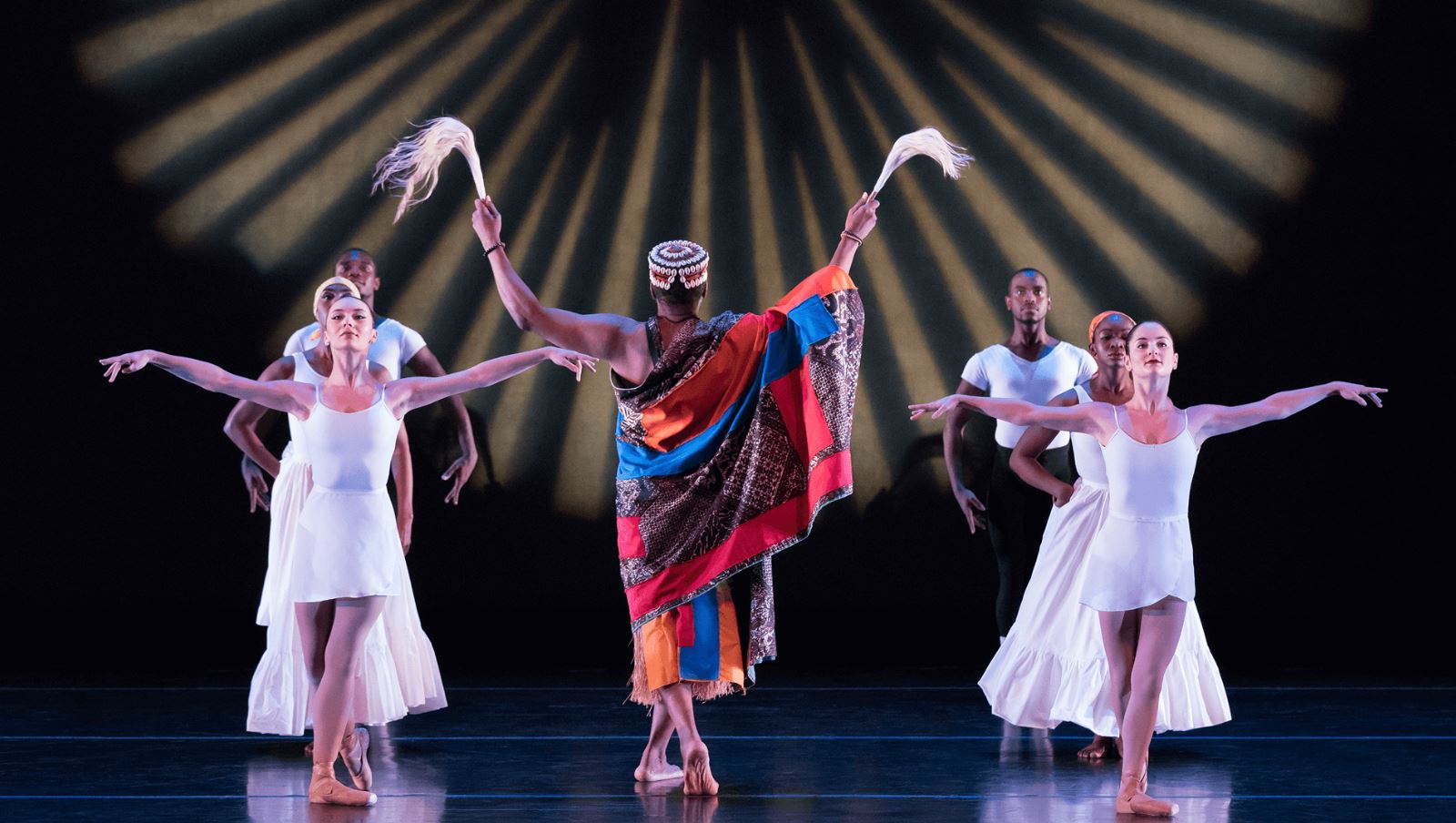
This space was created to explore the universality of dance and the performing arts as forms of expression that move beyond language, geography, and time. Unlike static art forms, performance unfolds in the present, shaped by bodies in motion, shared attention, and the cultural practices that sustain it. The intention is not only to highlight artistic achievement, but also to examine the processes, disciplines, and communities that make performance possible. By focusing on both visible results and unseen preparation, readers are invited to understand performance as both an outcome and a lived practice. The writing favors specificity over slogans, and it treats performance as work that is learned, repeated, revised, and carried forward through people and places.
Dance as the Foundation of Expression
Across cultures and histories, dance has served purposes far beyond entertainment. It has functioned as ritual, resistance, healing, and storytelling, carrying meaning through movement rather than words. Indigenous traditions preserve cosmology and memory, while street and social dances transform public space into sites of identity and resilience. Classical forms embody centuries of discipline and transmission, while contemporary practices challenge convention and open new paths of exploration. By centering dance, this work recognizes the body as the earliest instrument of expression, capable of carrying history, emotion, and cultural knowledge through gesture and form. It also acknowledges training, repetition, and technique as part of that expressive power, because what looks effortless onstage is usually the result of long, deliberate effort.
Choreography as Creative Architecture
Choreography gives structure to movement, shaping instinct into intention and experience into form. It involves careful design, collaboration, and decision-making, balancing innovation with tradition and freedom with constraint. The choreographic process emerges through dialogue between concept and embodiment, between imagined possibilities and physical reality. Whether organizing a large ensemble, shaping an intimate duet, or constructing work rooted in street or social dance, choreography allows movement to communicate meaning. Attention to this process reveals how performance is supported by frameworks that remain largely invisible to the audience. It also highlights revision as a core skill, because sequences are tested, adjusted, and clarified until timing, spacing, and emphasis communicate what words cannot.
The Role of Performance in Human Connection
At its core, performance is an act of connection. A dancer’s motion, an actor’s delivery, or a musician’s phrasing creates energy that extends outward and is received in real time. This exchange forms a shared experience that binds participants together, even briefly. Performance bridges generations, geographies, and perspectives, reminding audiences of their shared presence. In a world increasingly mediated by screens, live performance affirms the value of attention, immediacy, and collective experience, offering moments that cannot be replicated or replayed. That difference matters, because the meaning of a performance is shaped not only by what is done onstage, but by how a room responds, listens, and holds silence together.
Behind the Scenes: The Hidden Labor of Art
Every polished performance is supported by extensive preparation that often remains unseen. Rehearsal spaces function as sites of experimentation, discipline, and trust, where uncertainty becomes clarity through repetition and collaboration. Technical crews, designers, and coordinators contribute essential labor, shaping conditions that allow performance to exist at all. By acknowledging this work, attention shifts from individual brilliance to collective effort, revealing performance as the result of shared commitment rather than isolated talent. The goal is not to romanticize struggle, but to describe the real mechanics of how art is built, scheduled, repaired, and made consistent from one night to the next.
Tradition and Innovation in Performing Arts
Performing arts exist in constant dialogue between inheritance and change. Traditional forms carry accumulated knowledge, technique, and meaning, while contemporary practices respond to present realities and emerging tools. New technologies, including digital projection and interactive media, expand how performance can be created and experienced, but they also raise questions about attention, authenticity, and what remains distinctly live. Rather than opposing tradition, innovation often extends it, allowing forms to remain responsive and alive. This balance explains why performance continues to adapt while maintaining continuity across generations. It also reinforces a practical idea, that preserving a form does not always mean freezing it, because survival often depends on thoughtful re-interpretation.
The Global Stage of Performing Arts
Today, performance circulates globally with unprecedented speed. Work created in one cultural context can influence audiences across continents, while digital platforms extend reach beyond physical venues. At the same time, performance remains grounded in local conditions, shaped by specific histories, spaces, and communities. This interplay between global exchange and local meaning gives performing arts their distinctive power, allowing them to connect people while preserving cultural specificity. The focus here is on that tension, how ideas travel, how styles are adapted, and how credit, context, and lineage can be maintained when influences move quickly and widely.
A Long-Term Vision
This work is devoted to the enduring vitality of performance as a human practice. It recognizes discipline and creativity, honors inherited knowledge, and examines the forces that carry performance forward. Performance is approached not as spectacle alone, but as a means of expression, connection, and imagination. The aim is to publish writing that respects craft, pays attention to process, and treats movement and staging as serious forms of thought. Through sustained attention to dance, choreography, rehearsal, and performance culture, the performing arts remain a space where human creativity continues to take shape, one gesture, phrase, and encounter at a time. The emphasis stays on clarity and substance, so readers can return to these ideas without feeling talked down to or marketed to.