
Choreography as the Art of Shaping Movement
The Craft of Transforming Motion into Meaning.
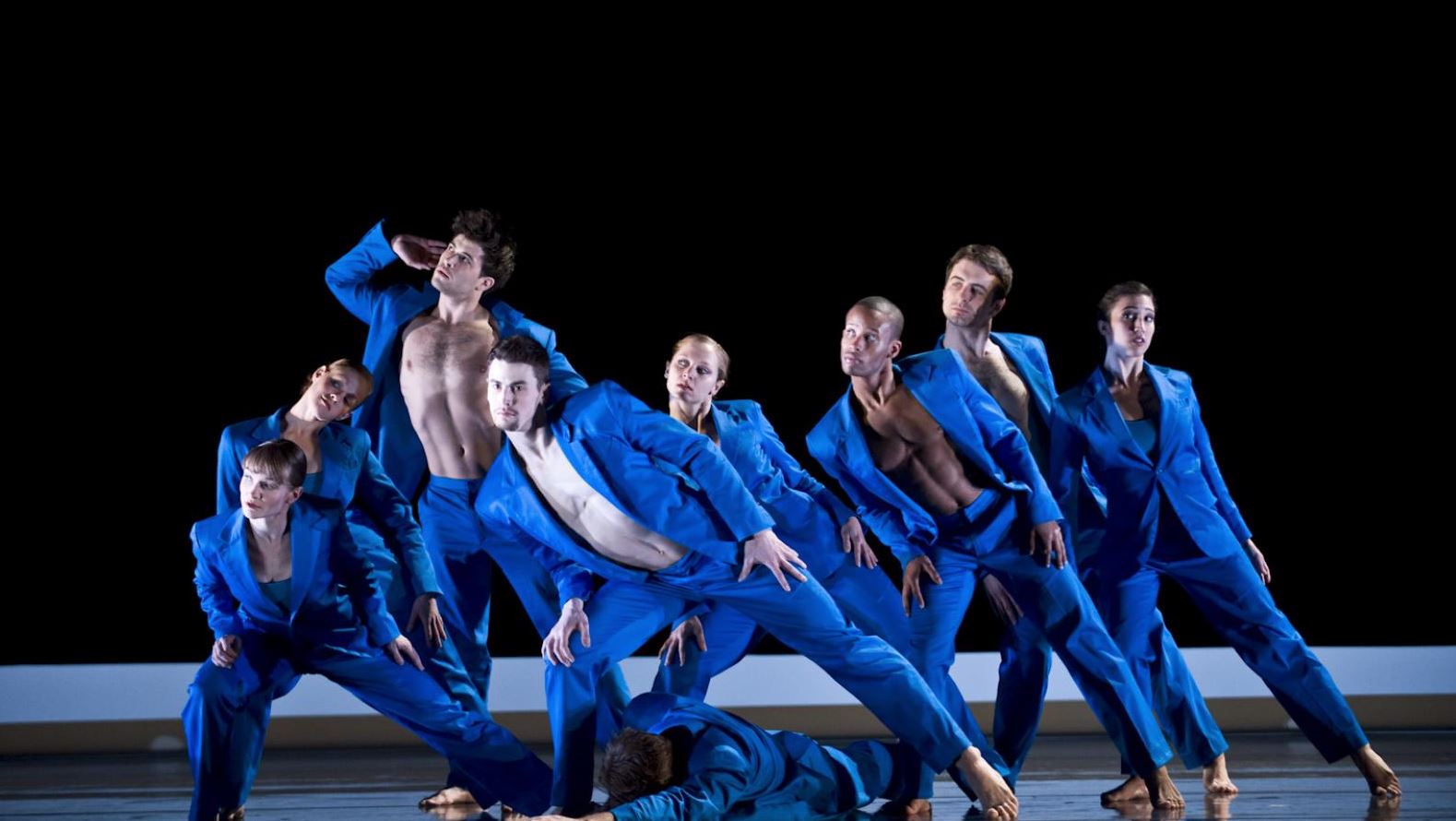
The Origins of Choreographic Practice
Choreography, at its core, is the deliberate arrangement of movement into structured patterns that communicate story, emotion, or abstract ideas. Its origins are as old as ritual itself, when early societies organized dance into sequences for ceremonies marking harvests, births, and initiations. In ancient Greece, choreography accompanied drama, with dancers moving in unison as choruses that embodied the collective voice of the people. In courts across Europe and Asia, choreographed dances became symbols of status and refinement, with steps codified into formal traditions such as the minuet or kathakali. These early choreographies remind us that shaping movement into order was never only about beauty, it was about meaning, power, and identity. The act of choreographing ensured that movement was not only improvised but preserved, passed down as a record of culture and intention.
Choreography as Storytelling
One of the most powerful aspects of choreography is its capacity to tell stories without words. The human body becomes the instrument, and each gesture, pause, or rhythm becomes part of a narrative vocabulary. In ballet, grand leaps can symbolize transcendence, while a simple tilt of the head can evoke vulnerability or desire. In modern and contemporary dance, choreography often embraces abstraction, yet it still conveys meaning through the emotional resonance of movement. Street dance forms such as hip hop choreography weave in narratives of resilience, community, and cultural pride, often telling stories of struggle and triumph in ways that words cannot capture. Storytelling through choreography allows audiences to connect emotionally and imaginatively, drawing them into experiences that transcend language barriers.
The Role of the Choreographer
Choreographers are often compared to composers or playwrights, crafting the structure that performers bring to life. Their role involves more than simply inventing steps—it requires vision, sensitivity, and an understanding of both bodies and spaces. A choreographer must think in multiple dimensions: the alignment of dancers in space, the timing of movement with music or silence, and the emotional arc that unfolds from beginning to end. They are also collaborators, working closely with dancers, musicians, designers, and directors to create holistic works of art. The choreographer’s task is to translate concepts into living, moving bodies, transforming abstract ideas into experiences that resonate on stage and beyond.
Innovation and Tradition in Choreography
Choreography is constantly negotiating the balance between tradition and innovation. Classical forms such as ballet or Bharatanatyam maintain codified vocabularies of steps and gestures that choreographers reinterpret for new contexts. At the same time, modern and experimental choreographers push the boundaries of what movement can mean, challenging conventions of symmetry, rhythm, and even the stage itself. Pioneers like Merce Cunningham disrupted expectations by introducing chance into choreography, while contemporary artists use technology, projections, and multimedia to expand possibilities. This tension between honoring tradition and exploring new frontiers ensures that choreography remains alive, adaptable, and reflective of its cultural moment.
Choreography and Cultural Identity
Choreography is never neutral, it reflects the cultural identity of the people who create and perform it. Traditional dances choreographed within communities often encode stories of origin, resilience, and belonging. For example, indigenous choreographies may represent cosmologies, mapping relationships between humans, ancestors, and the natural world. In urban settings, choreographies emerging from street culture reflect the lived experiences of marginalized groups, reclaiming space and asserting identity. On global stages, choreographers frequently blend cultural influences, creating hybrid forms that both celebrate diversity and spark dialogue about cultural exchange. This makes choreography a powerful medium for cultural expression, negotiation, and affirmation.
The Science of Choreography
While choreography is an art, it also engages deeply with science. Choreographers must understand anatomy and kinesiology to create movements that are both expressive and safe for dancers. Timing and rhythm involve mathematical precision, especially in ensemble pieces where synchronization creates dramatic effect. Spatial design in choreography often follows geometric principles, with formations and patterns designed to maximize visual impact. Increasingly, choreographers collaborate with scientists, exploring biomechanics, neuroscience, and even artificial intelligence to discover new possibilities in movement. This interplay of art and science shows that choreography is not only about creativity but also about knowledge of the human body and its capacities.
Choreography as Collaboration and Process
Behind every choreographed performance is an intensive process of experimentation, rehearsal, and collaboration. Choreographers may begin with a concept or simply with a piece of music, gradually shaping steps through trial and error. Dancers are not passive recipients but active contributors, their interpretations and improvisations often shaping the final work. This collaborative process underscores the communal nature of choreography, where art emerges not from one voice but from many working in dialogue. Rehearsals demand discipline, repetition, and trust, reminding us that choreography is not only about vision but also about collective effort and shared commitment.
Choreography as Living Art
Choreography shapes the fleeting impulse to move into something deliberate, lasting, and resonant. It is a practice grounded in design, storytelling, identity, and collaboration, drawing from tradition while remaining open to change. Through choreographic structure, movement becomes a form of language, capable of conveying joy, grief, resistance, and transformation without relying on words. It provides the underlying framework that gives dance coherence and direction, allowing meaning to emerge through form and intention. Both structural and expressive, choreography ensures that movement can be shared, interpreted, and remembered, enabling dance to continue communicating across cultures, generations, and shifting social contexts.